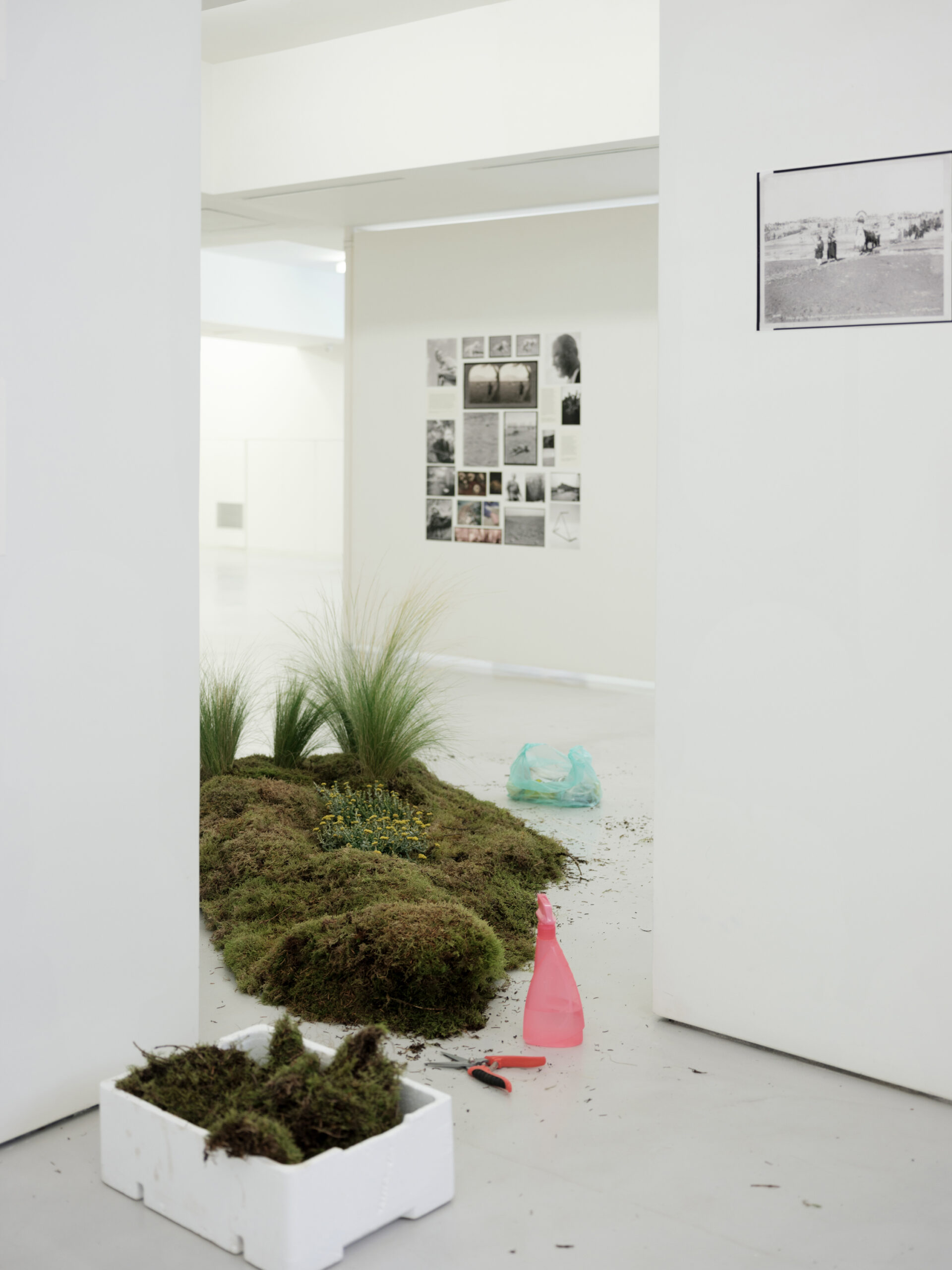
“Restoring land without restoring relationship is an empty exercise.
It is relationship that will endure and relationship that will sustain the restored land.”
Kimmerer, R. W. (2013). Braiding Sweetgrass: Indigenous Wisdom, Scientific Knowledge, and the Teachings of Plants. Milkweed Editions.
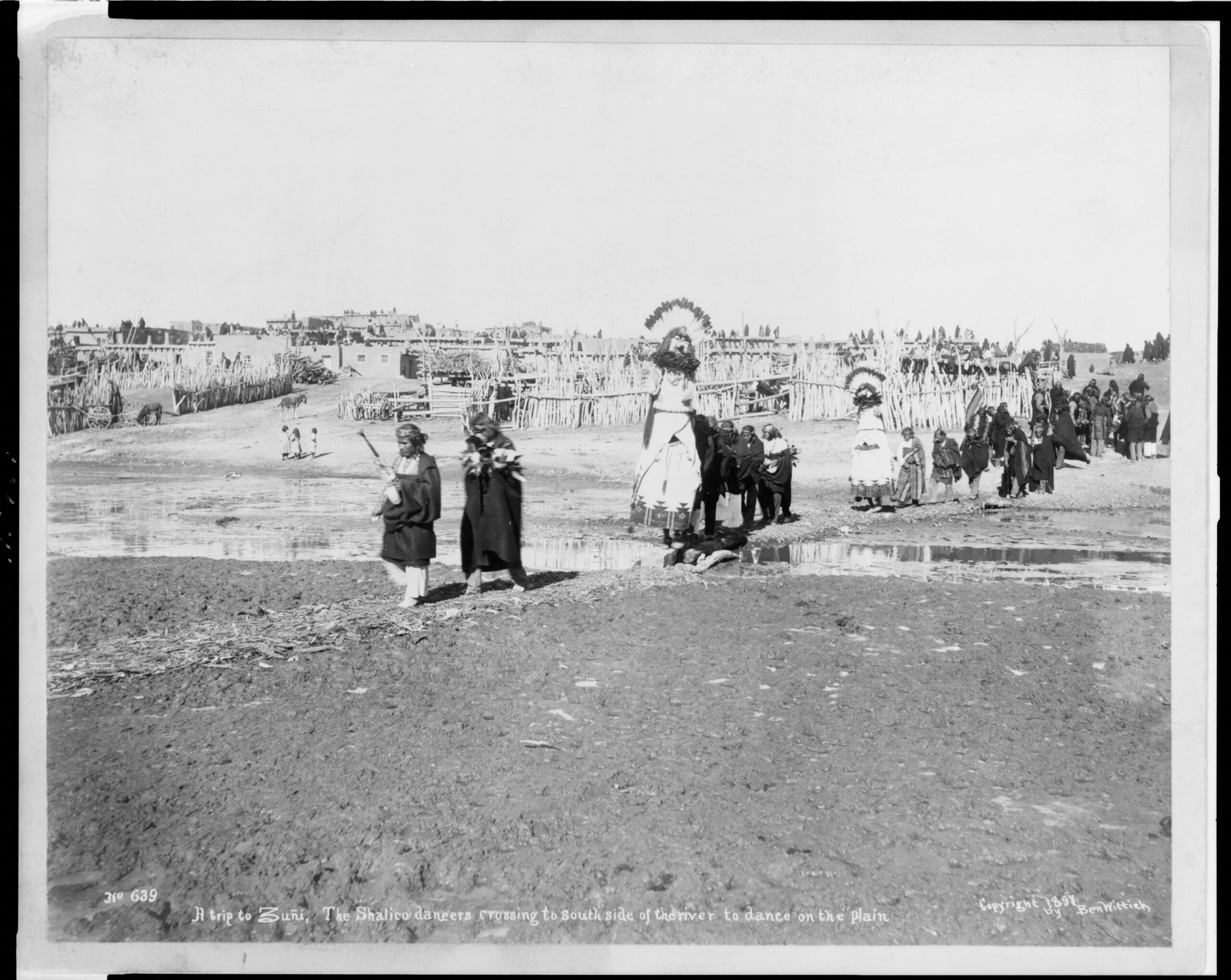
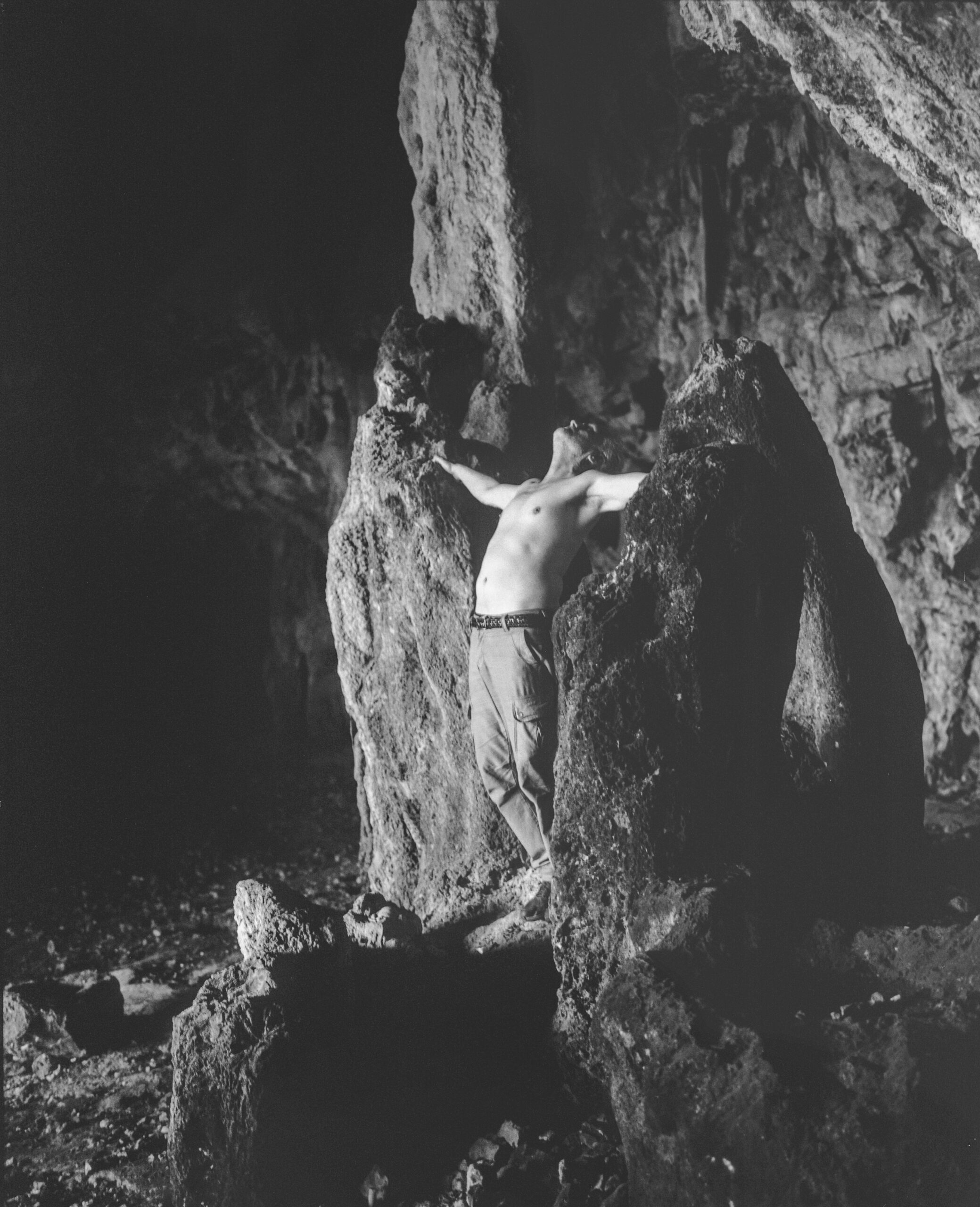
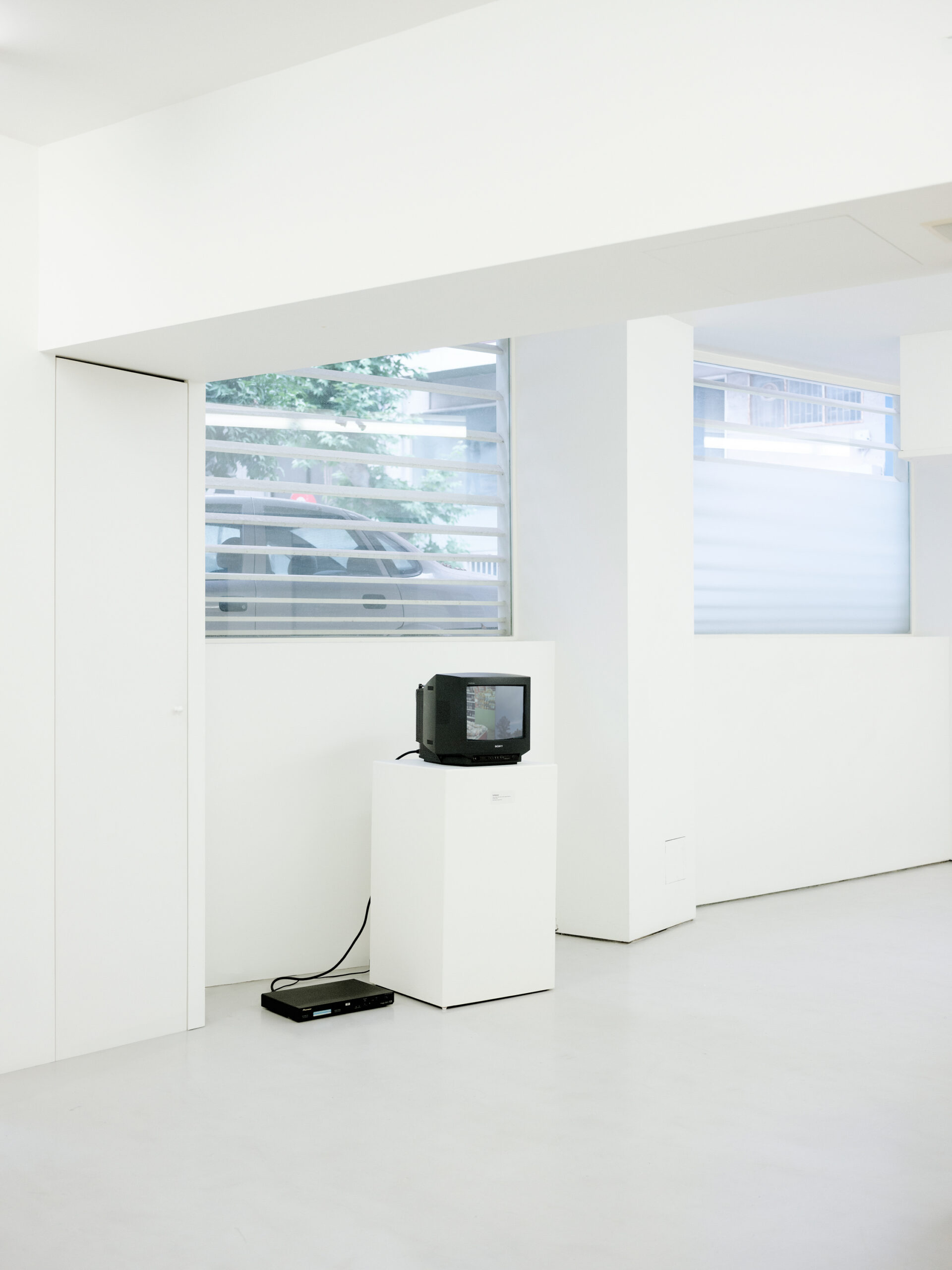
Sediment, 2026 – single-channel video composed of archival fragments.

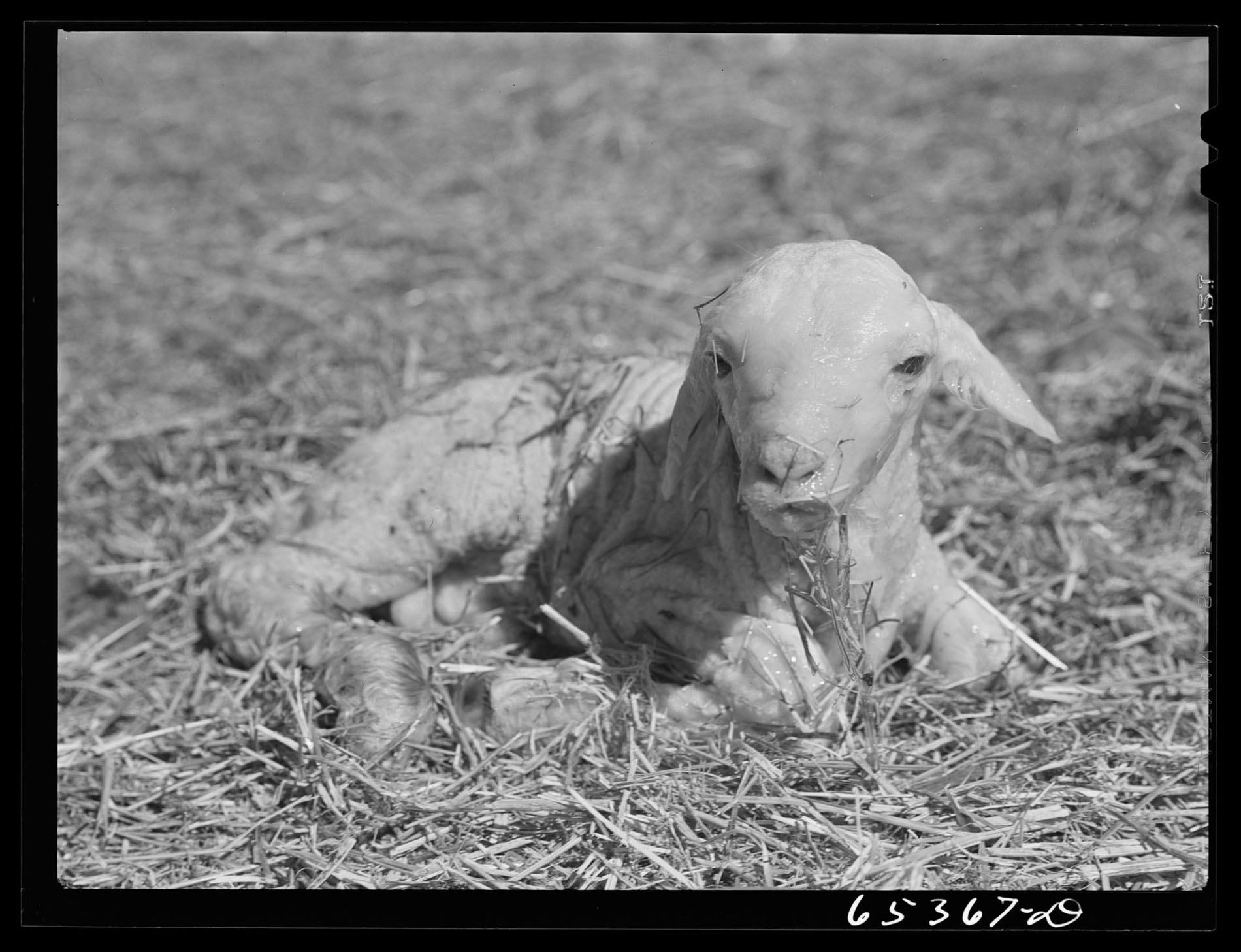
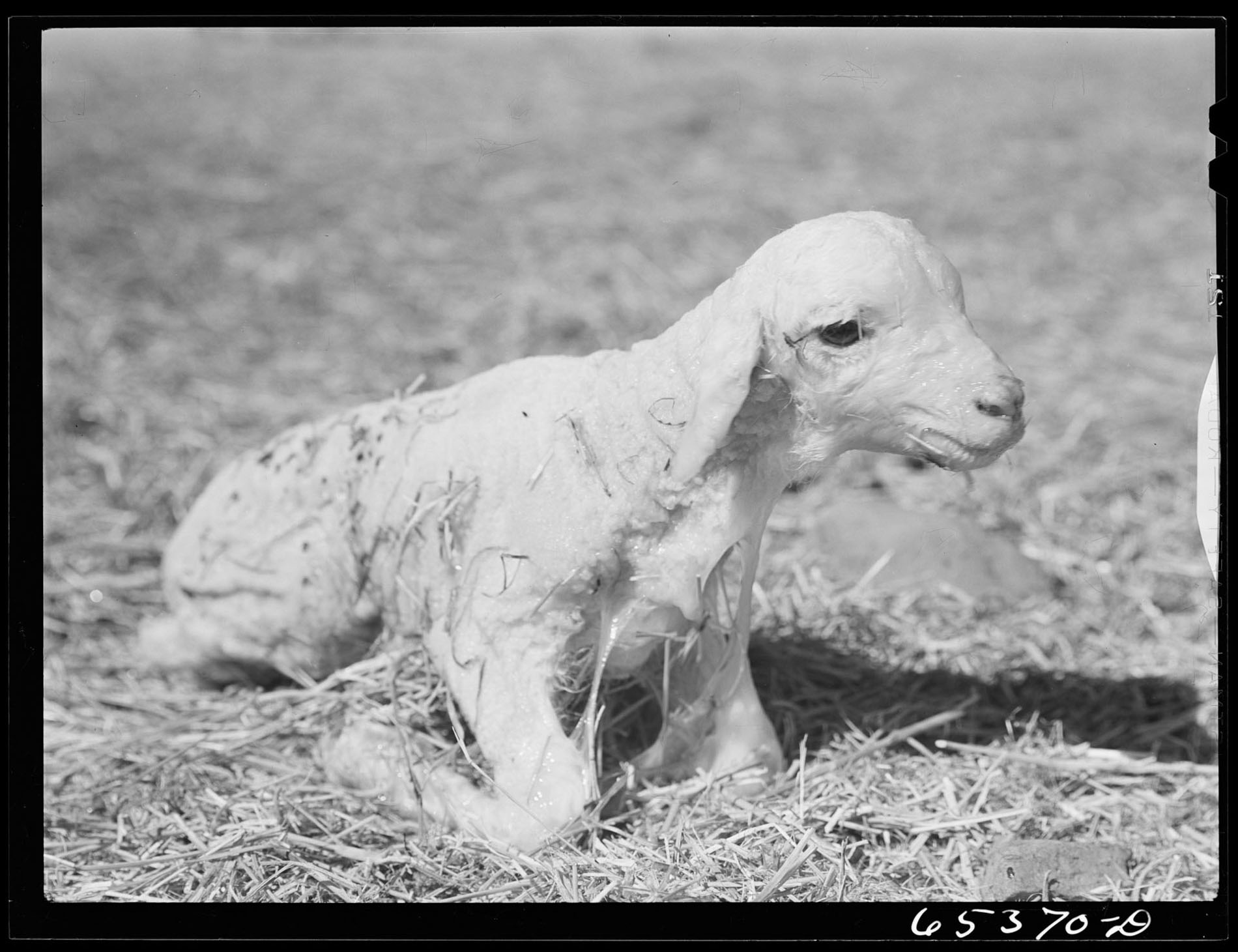
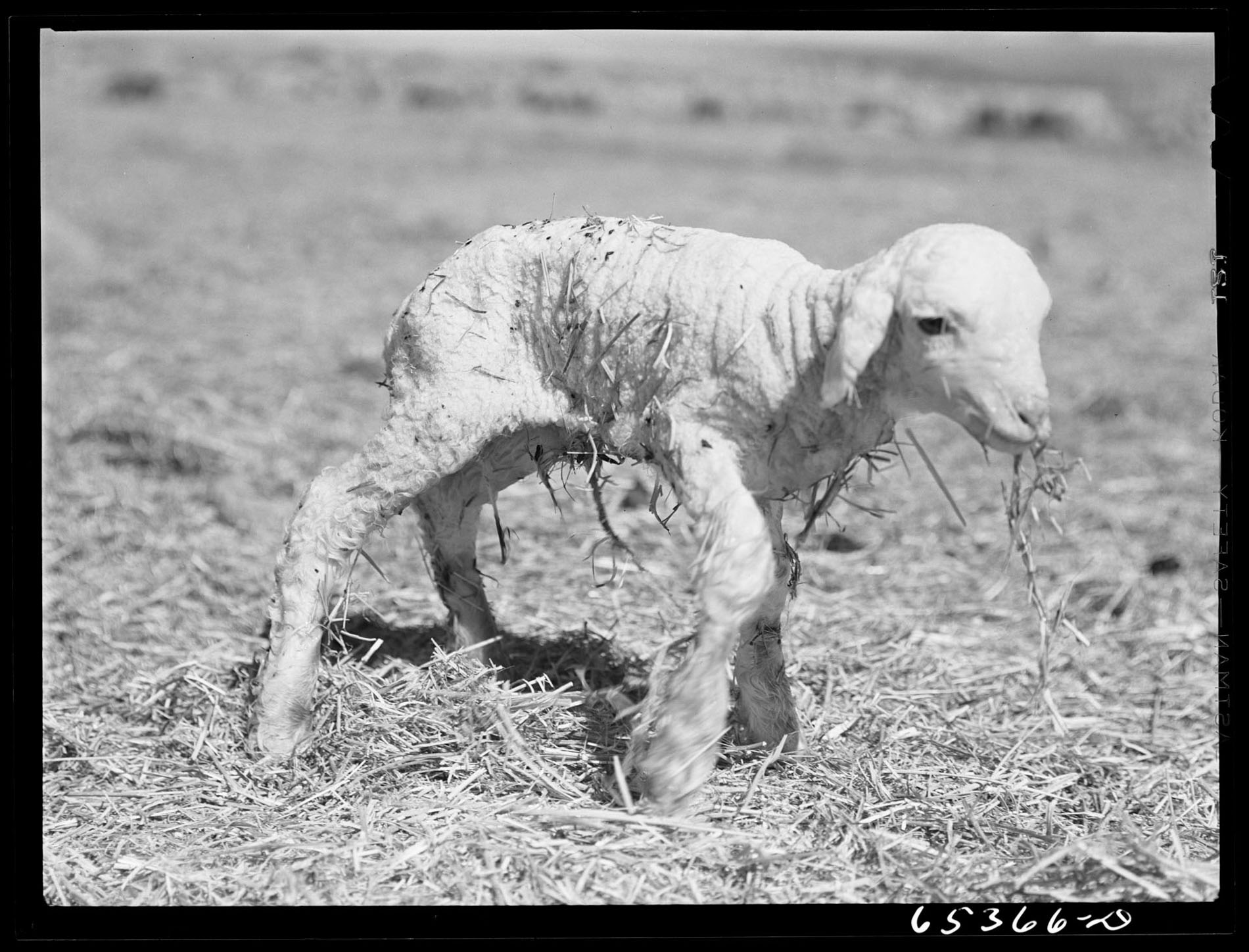
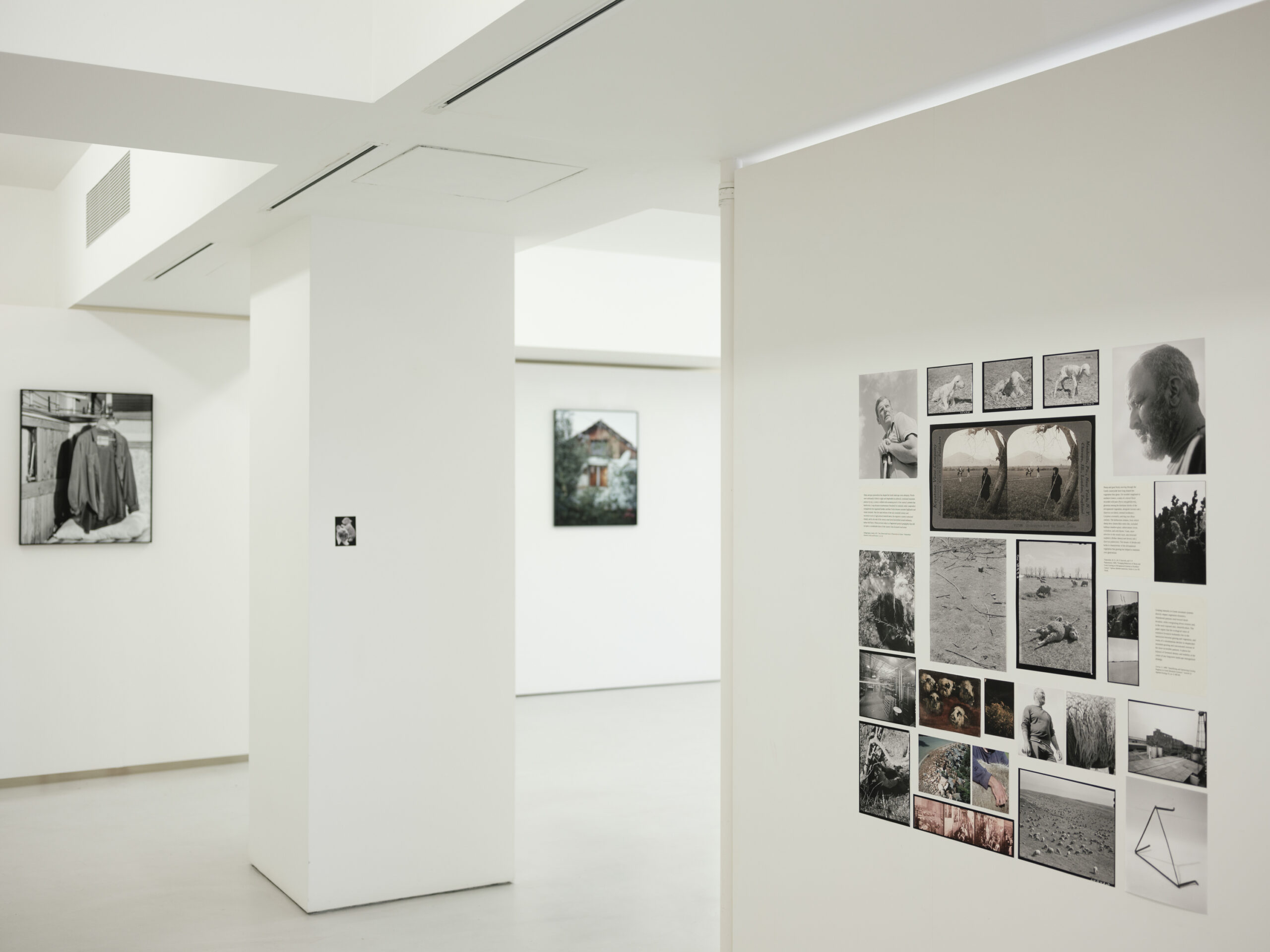
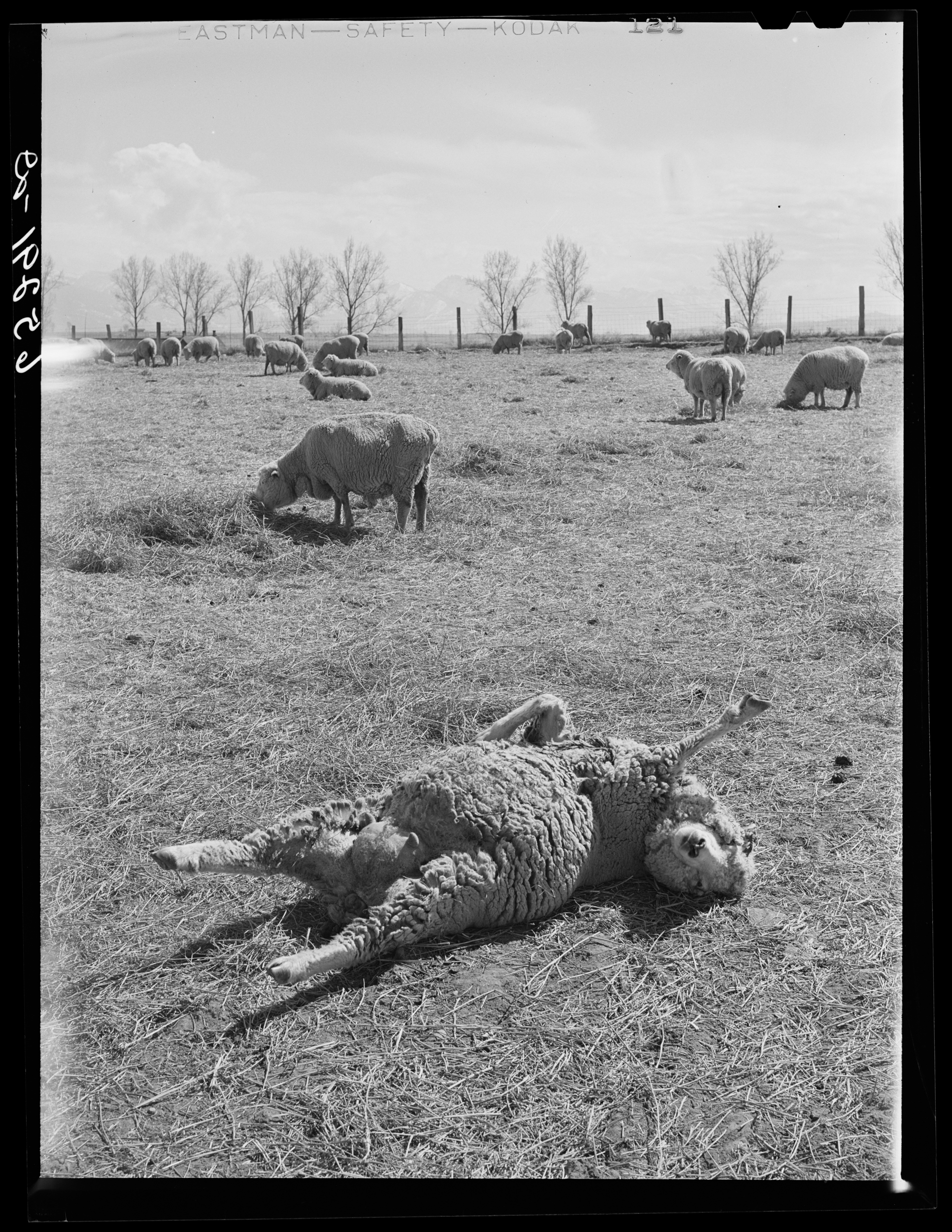
Vachon, John, photographer. Ravalli County, Montana. Lamb immediately after birth. Ravalli County United States Montana, 1942. Apr. Photograph.
Vachon, John, photographer. Ravalli County, Montana. New lamb a few minutes after birth, trying to get on its feet. United States Ravalli County Montana, 1942. Apr.
Vachon, John, photographer. Ravalli County, Montana. New lamb about five minutes after birth on his legs for the first time. Montana United States Ravalli County, 1942.
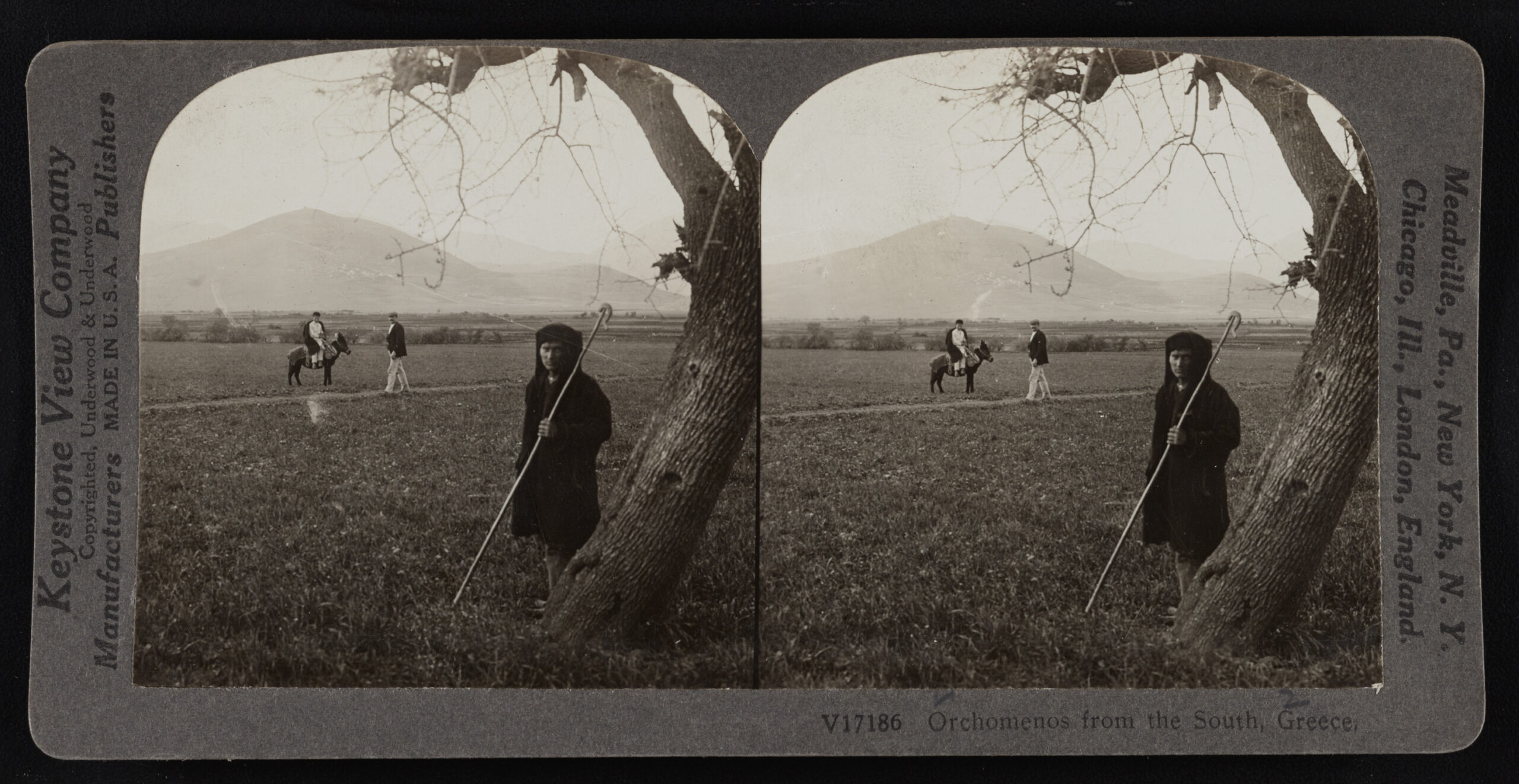
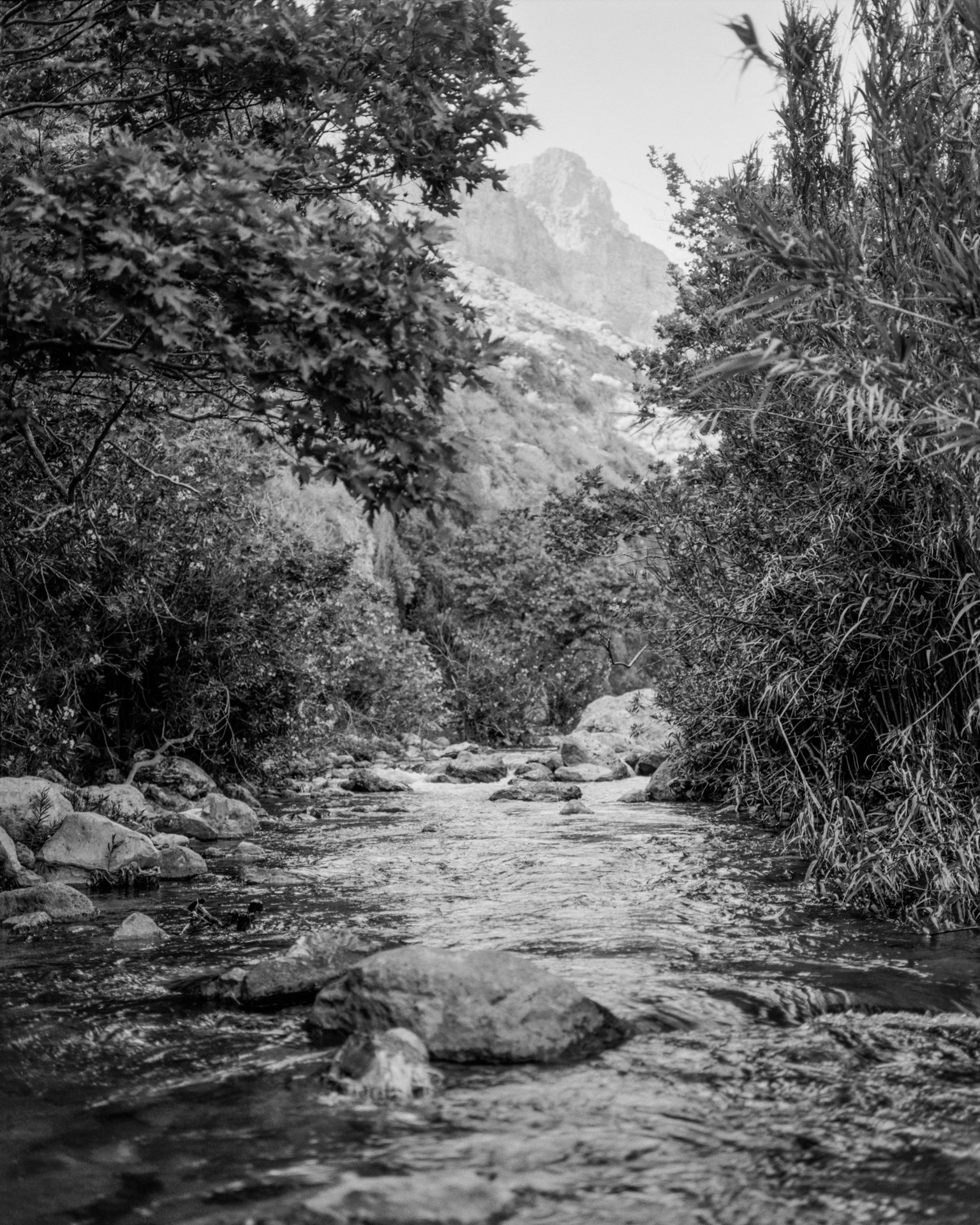
This project began from an observation of how water shapes human life. Wherever it gathers, recedes, or moves, it conditions what can grow and how life organises itself around possibility or limitation. Proximity to water enables cultivation, exchange, and movement, while its absence produces different rhythms of labour, scarcity, and adaptation. Water shapes ecosystems and terrain, and with them settlement, social relations, and cultural practice. Flow, circulation, and access become the underlying forces through which ways of living take form, shaping the rituals, rhythms, and choreographies of daily life.
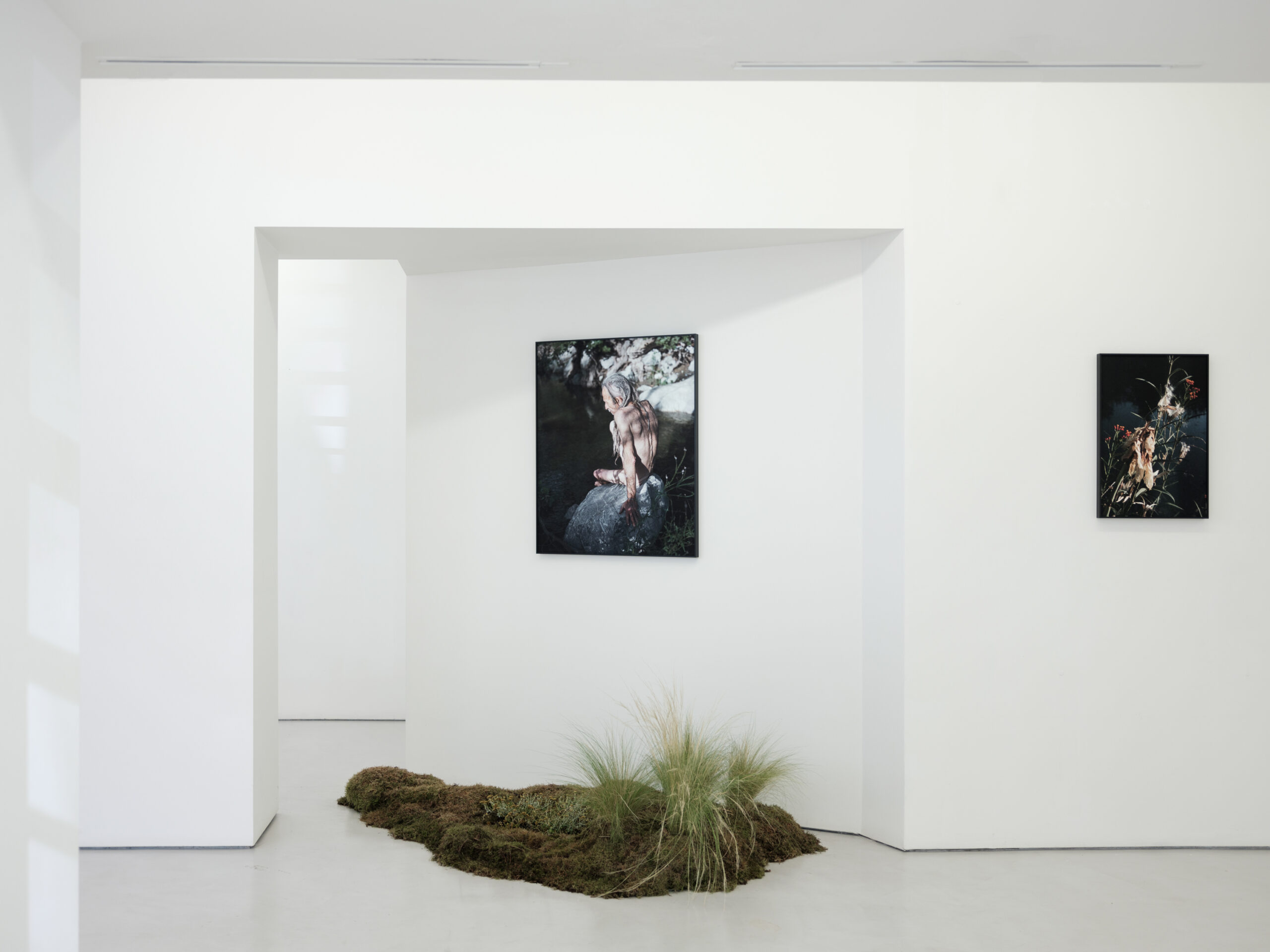
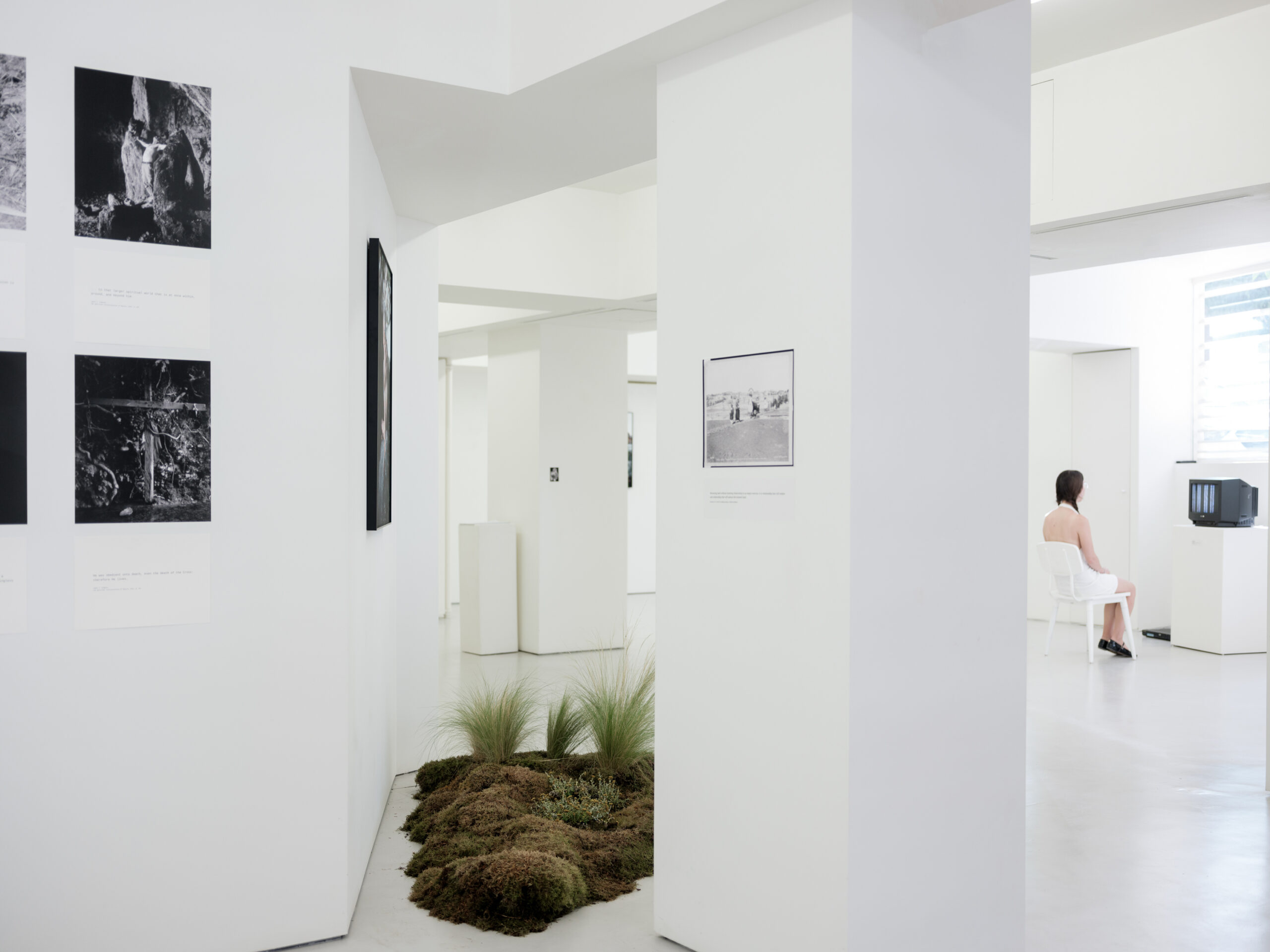
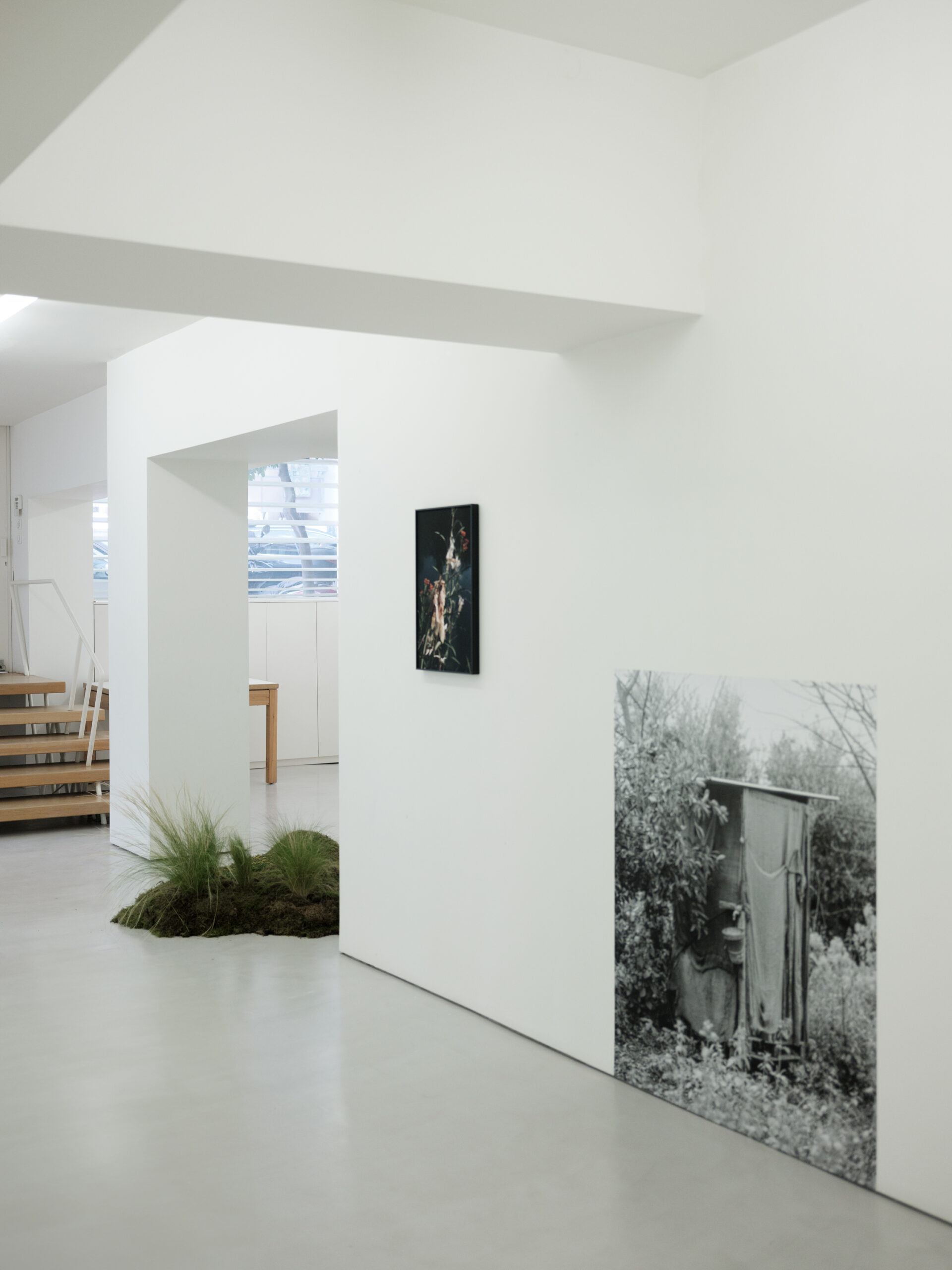
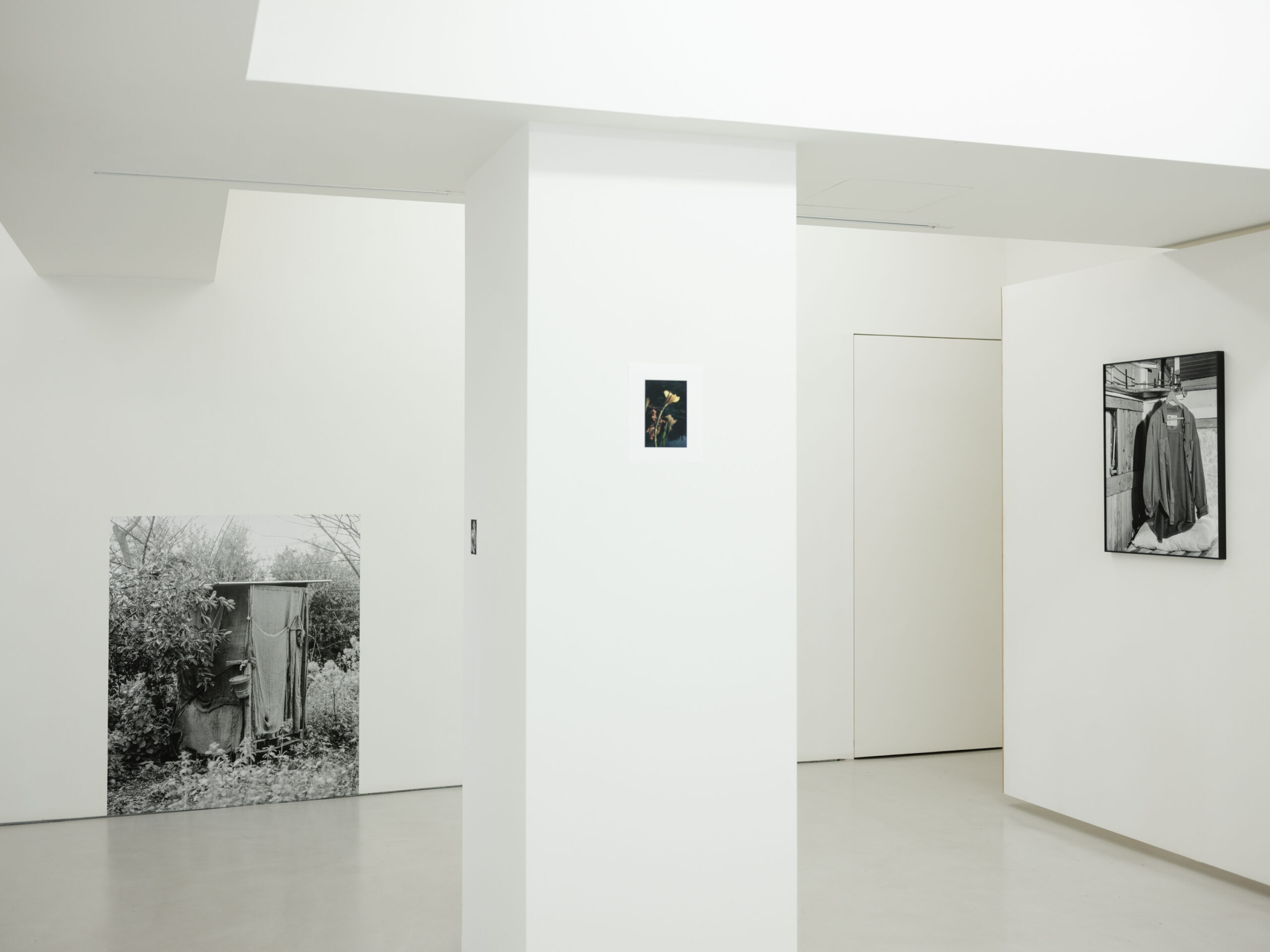
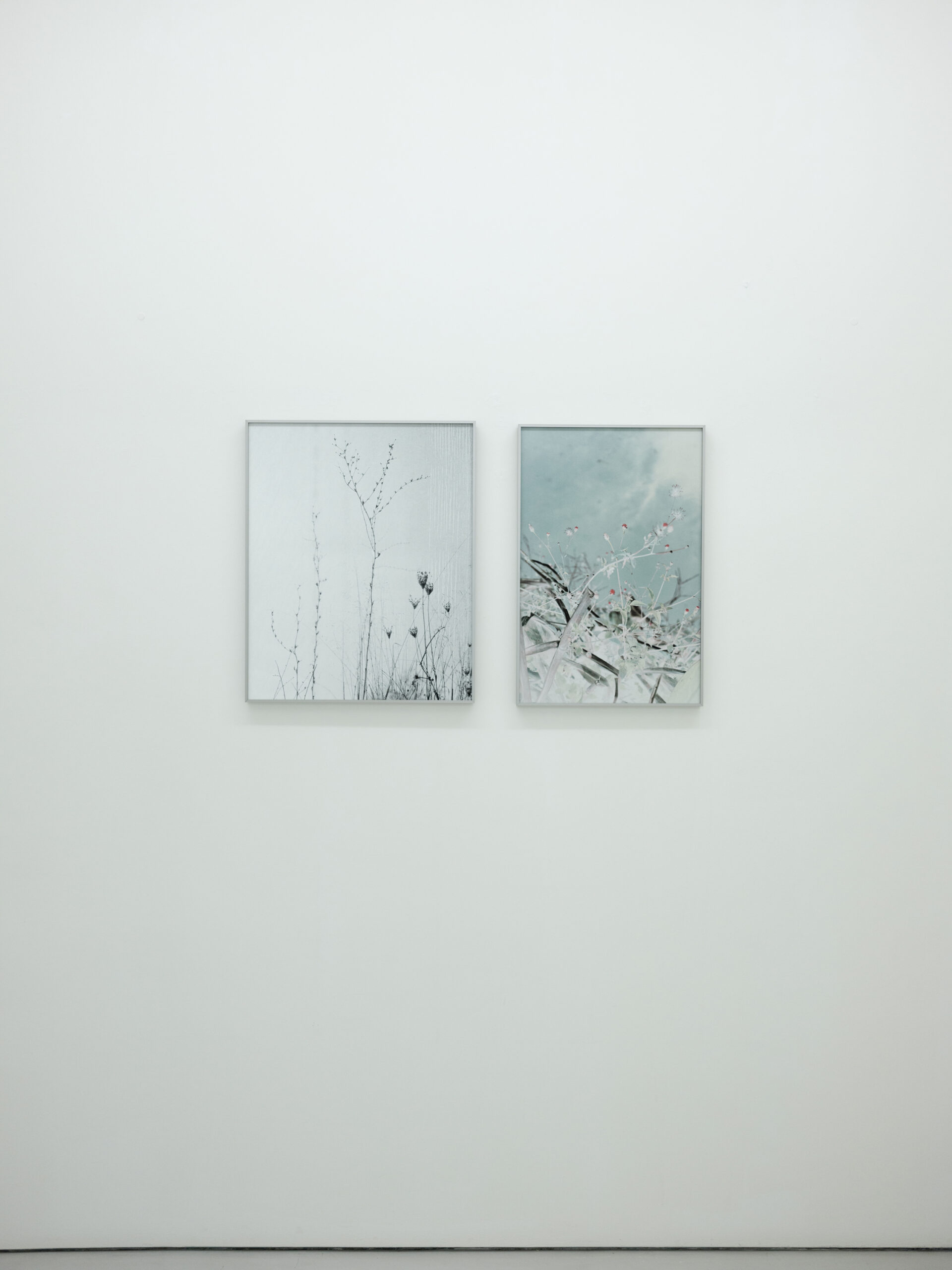
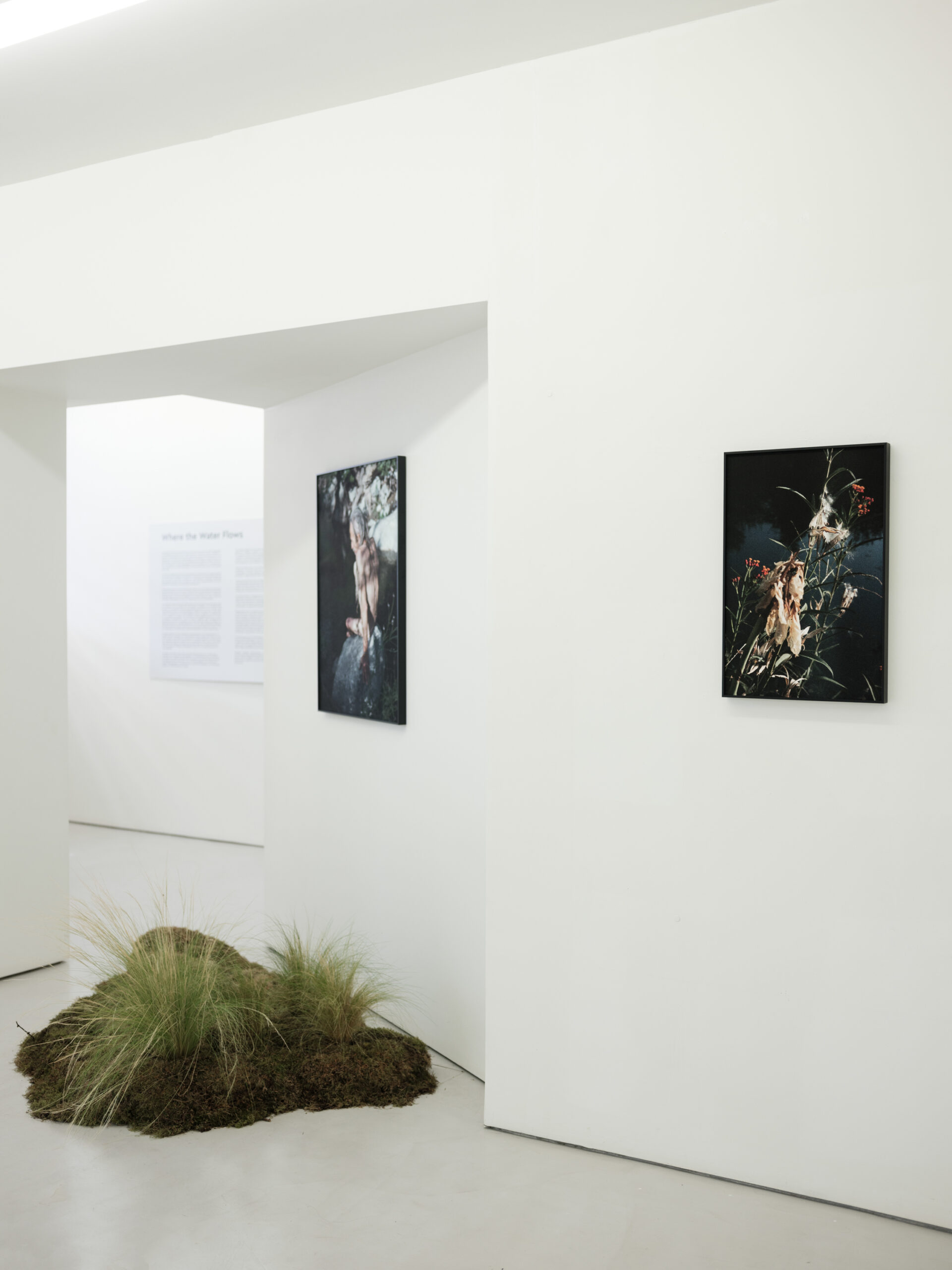
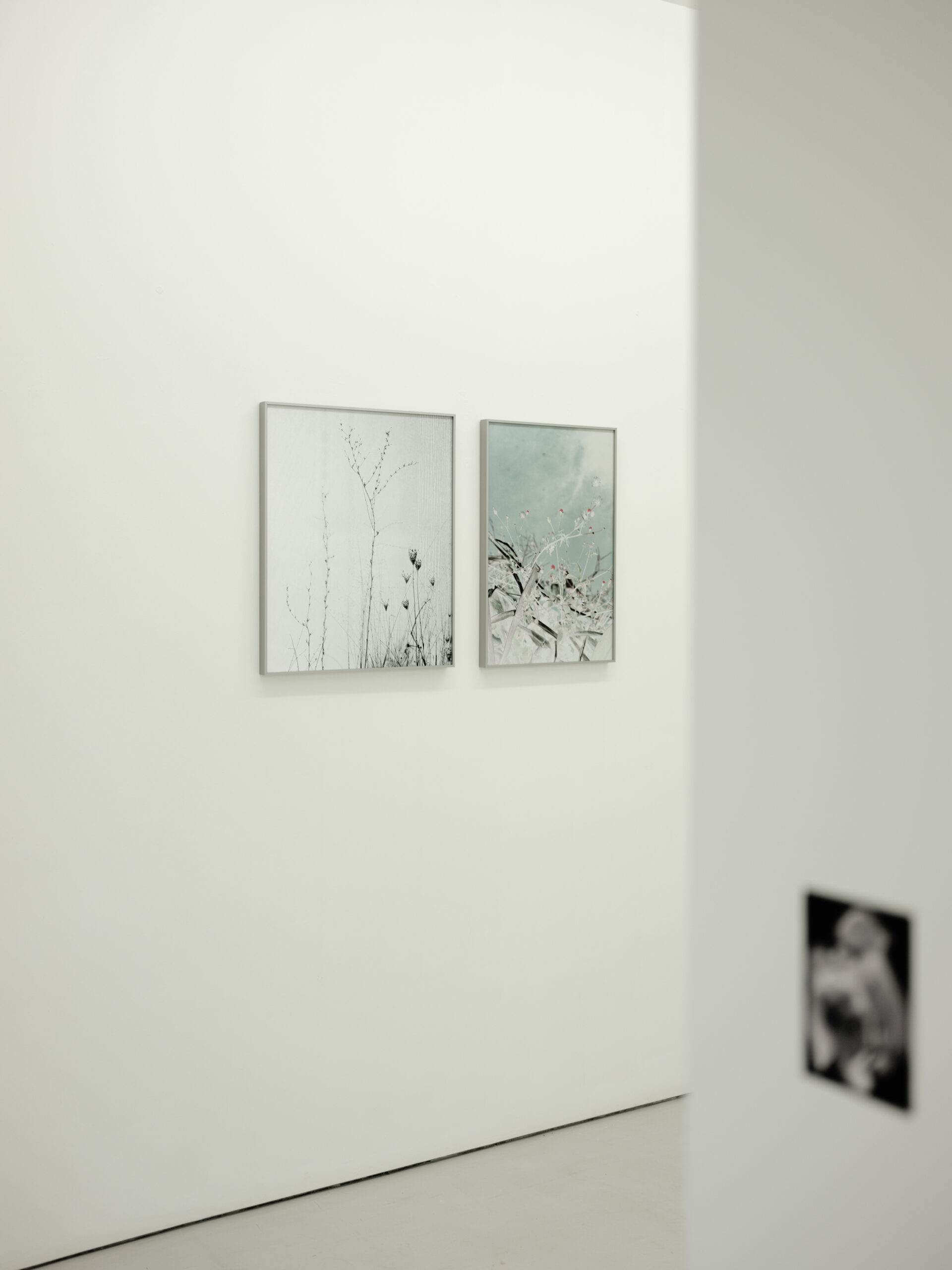
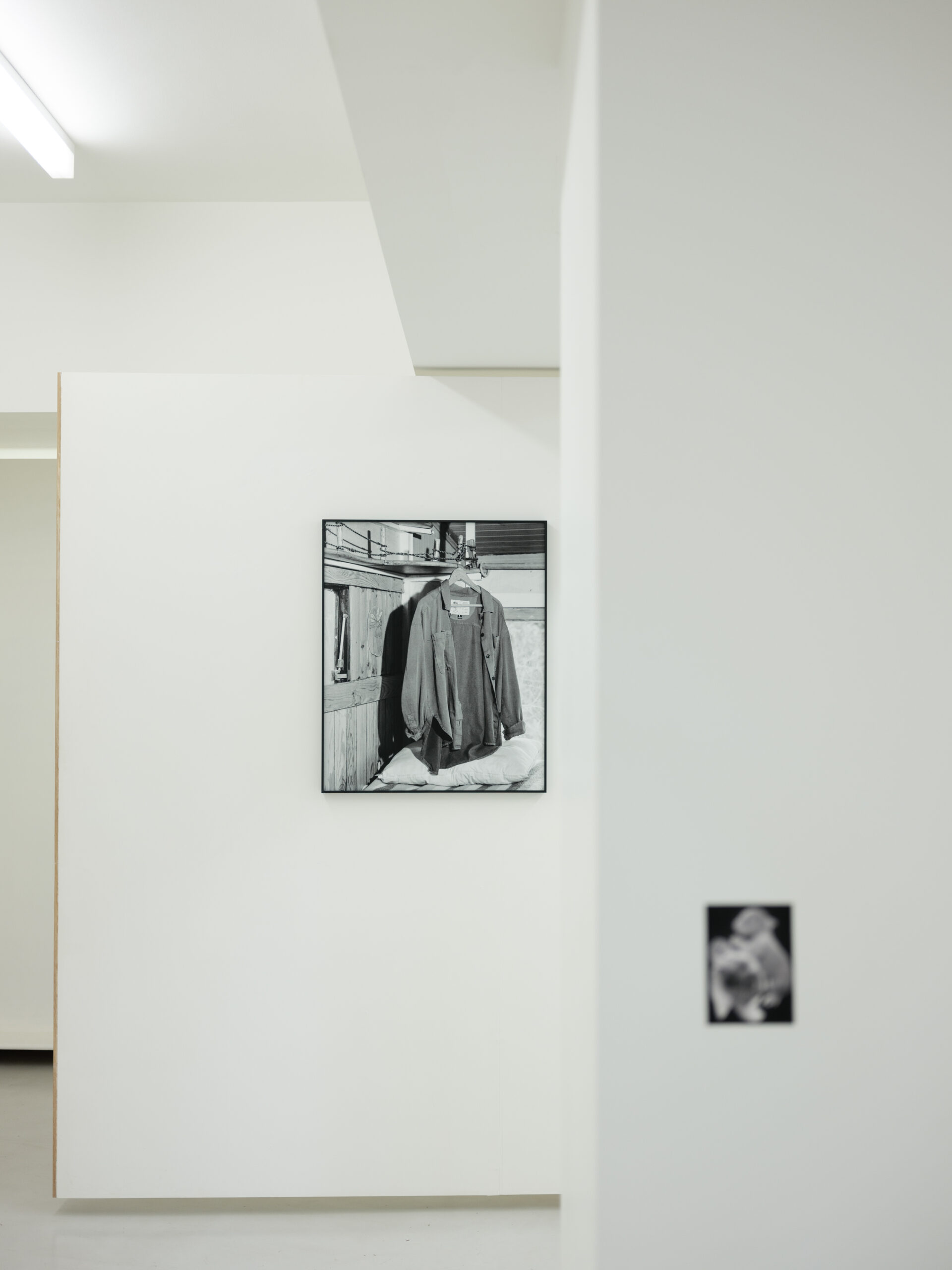
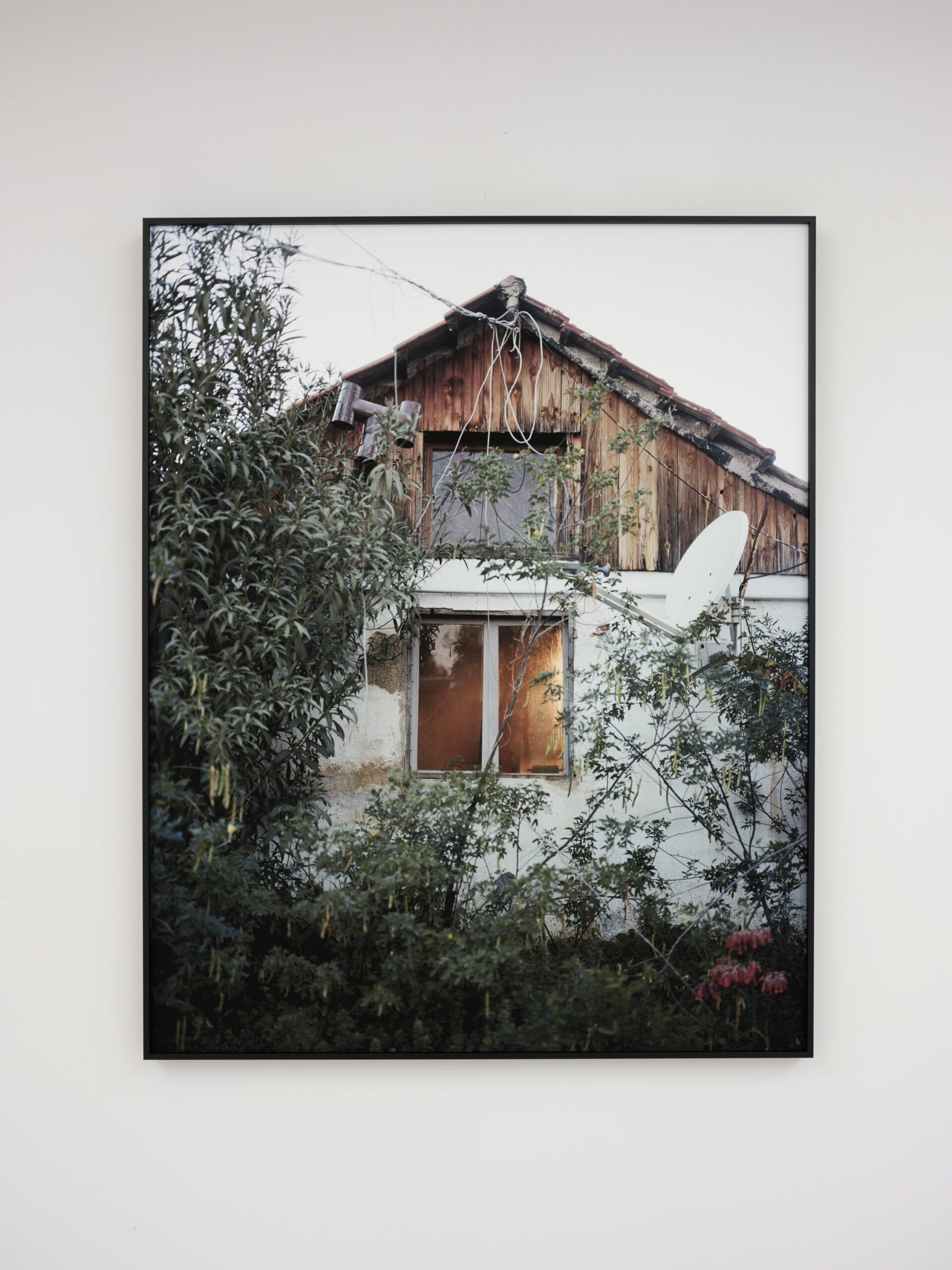
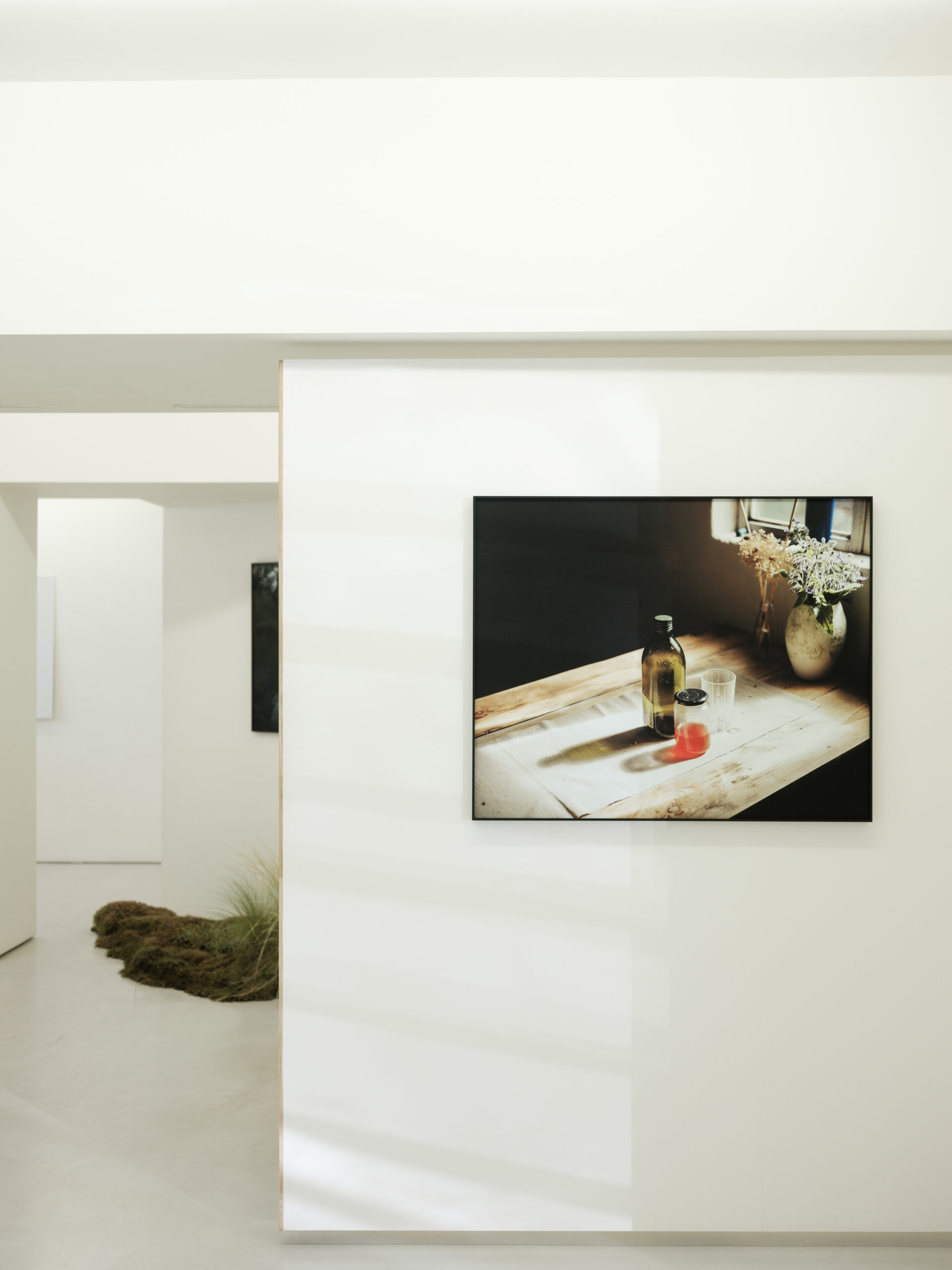
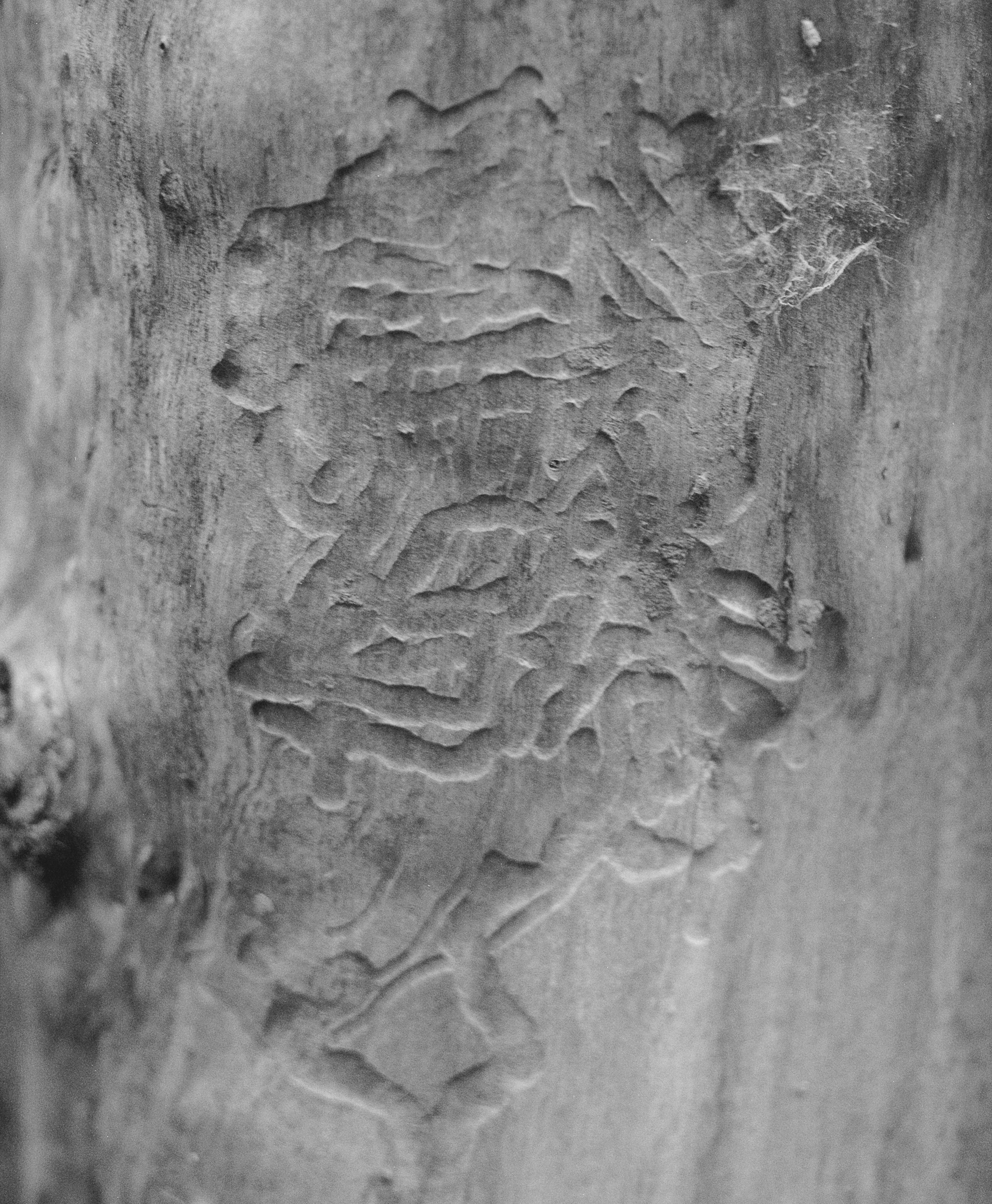
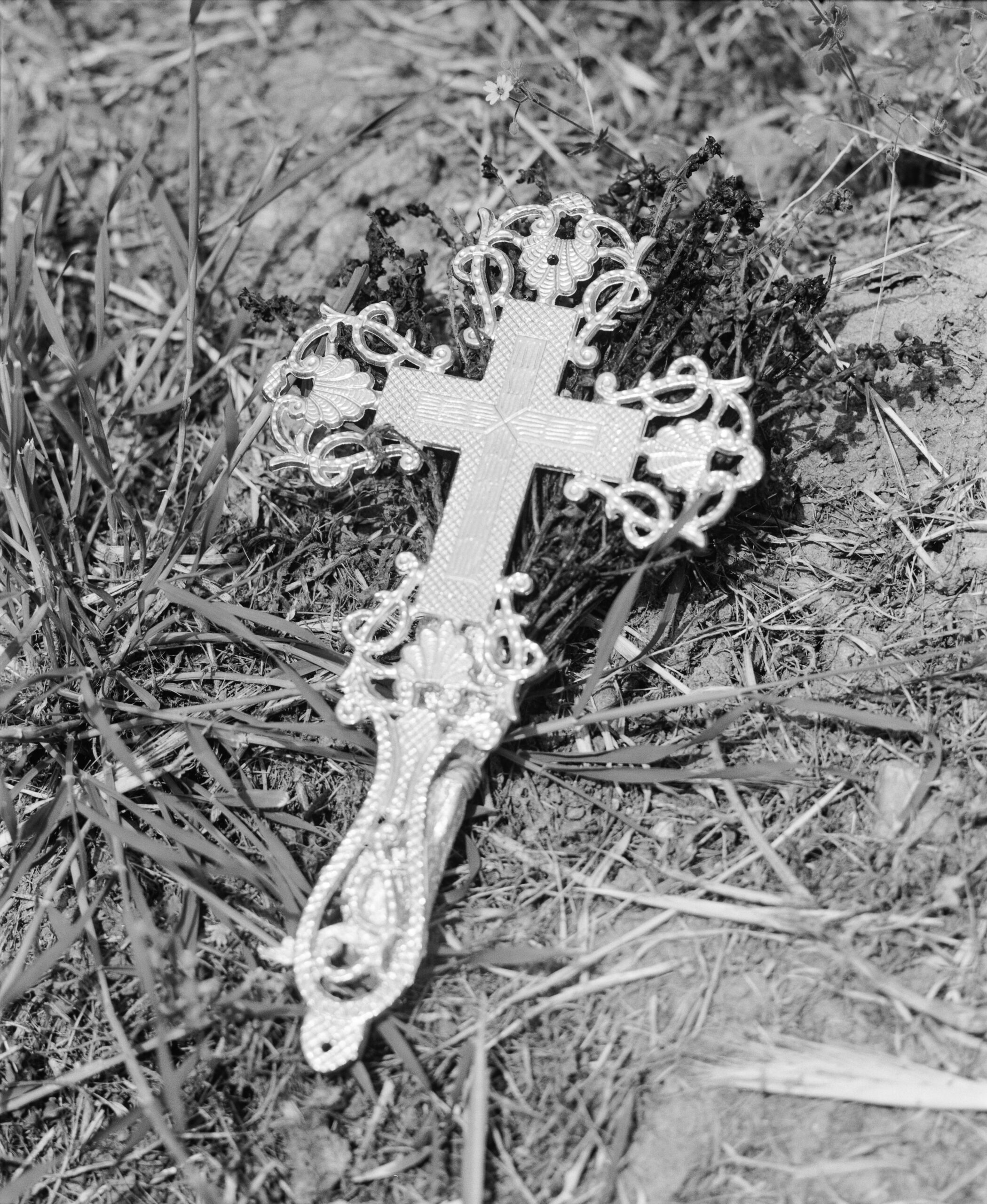
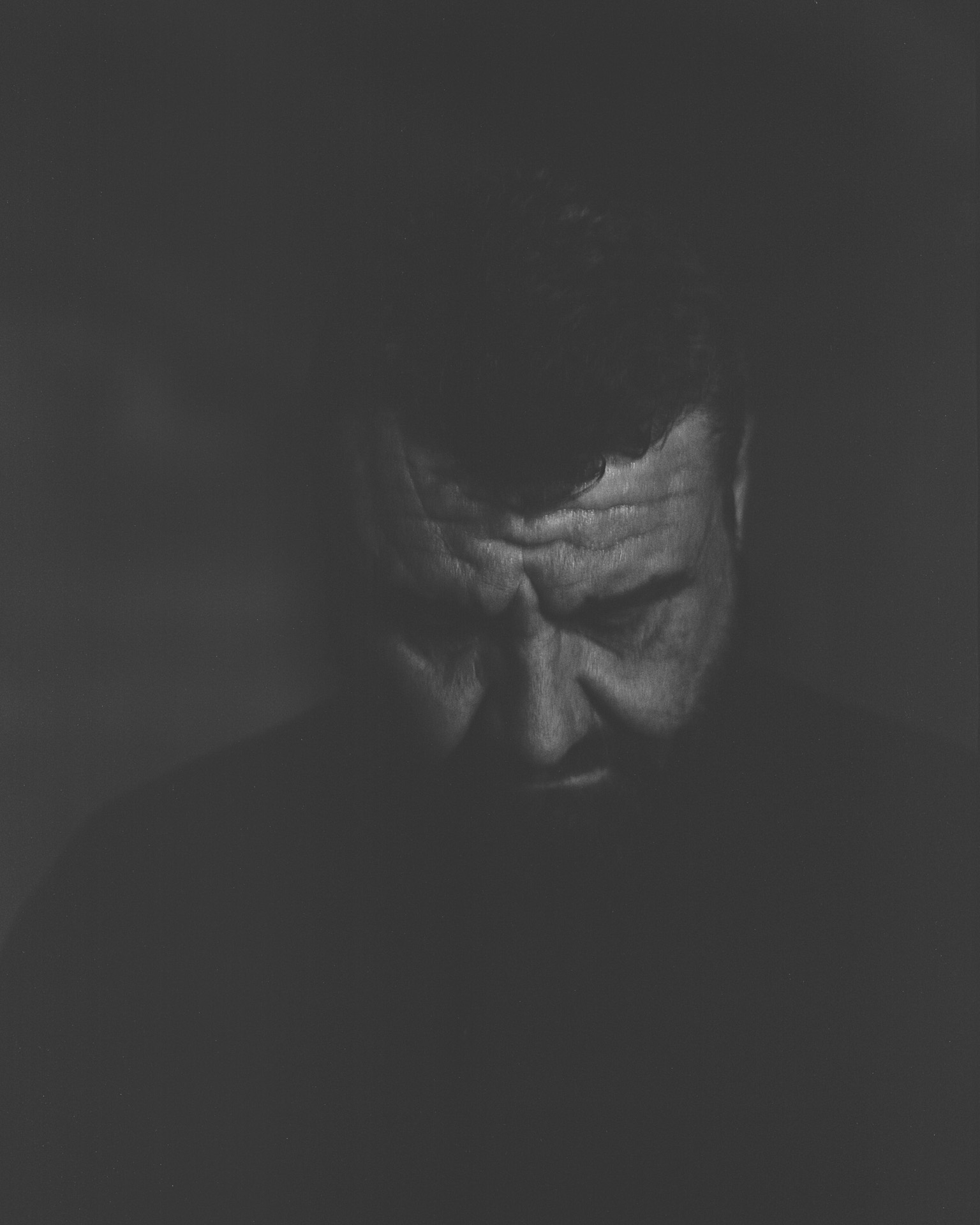
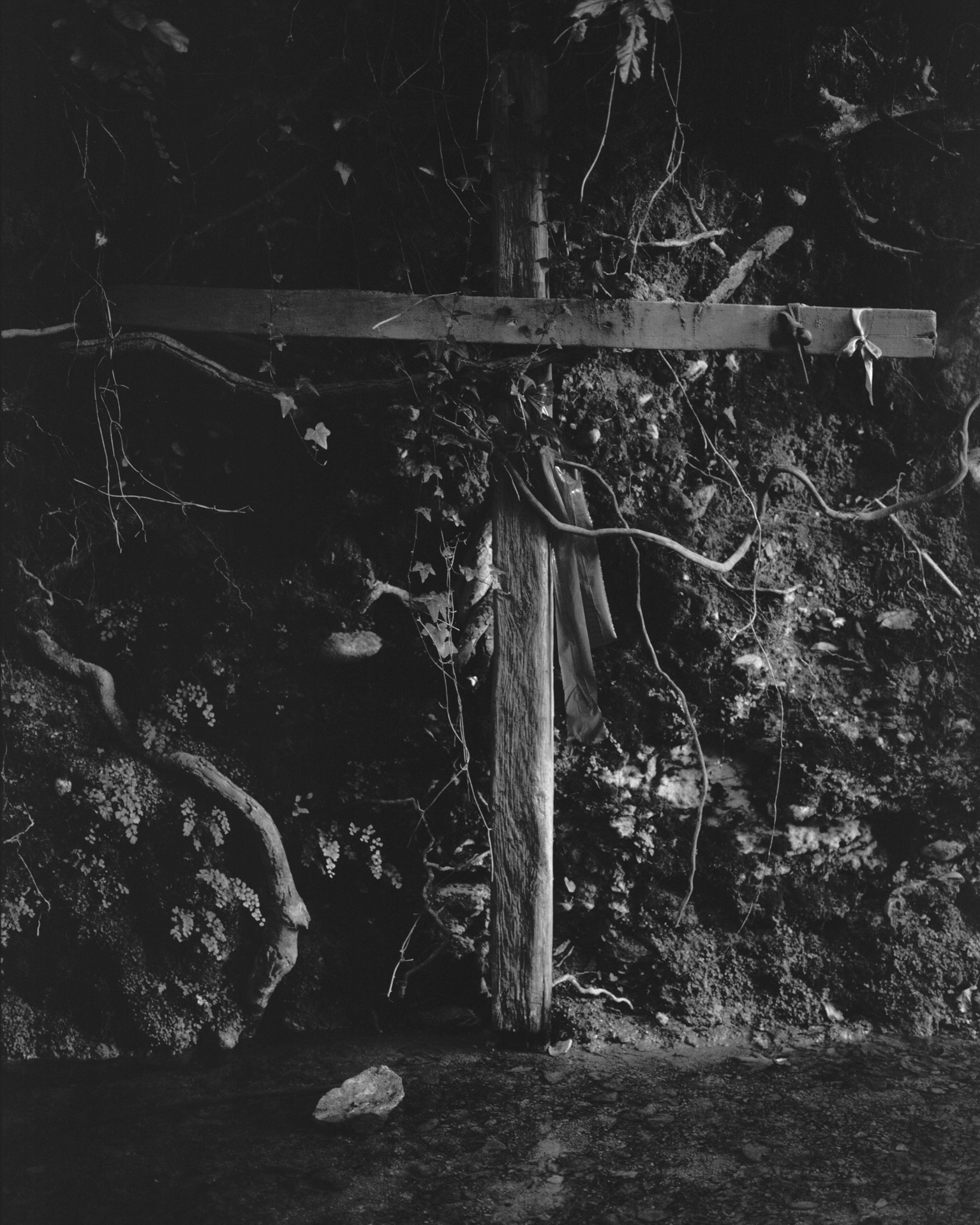
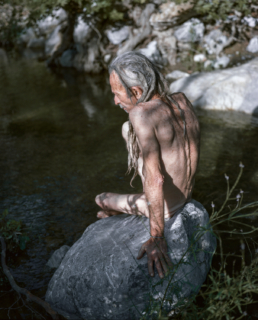
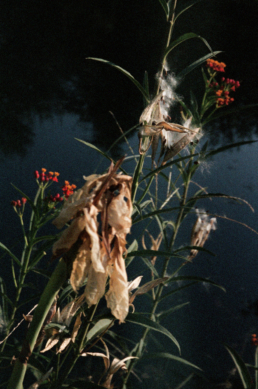
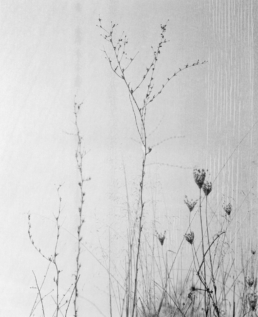
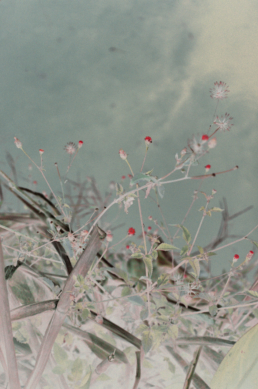
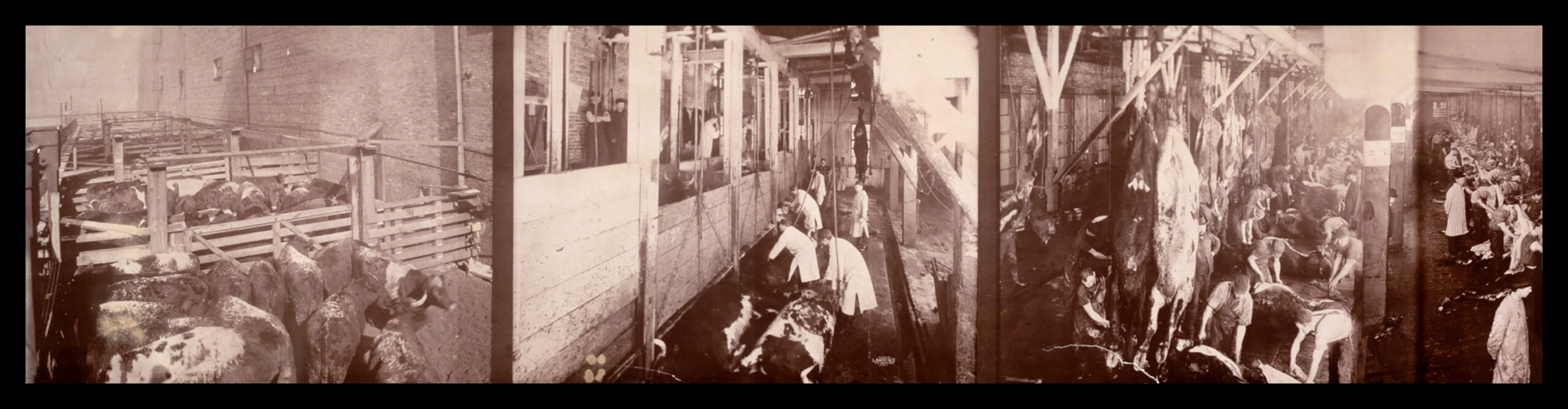
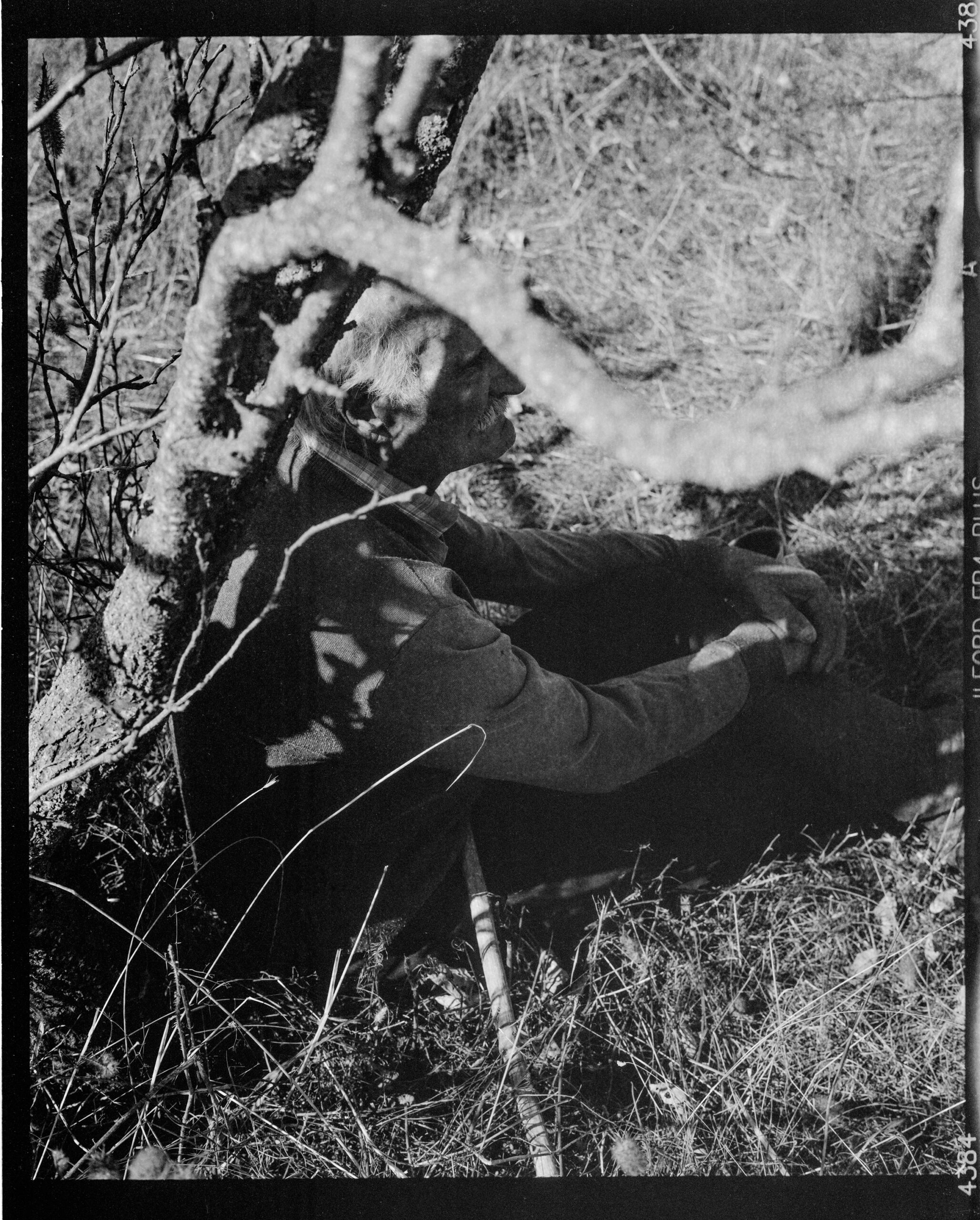
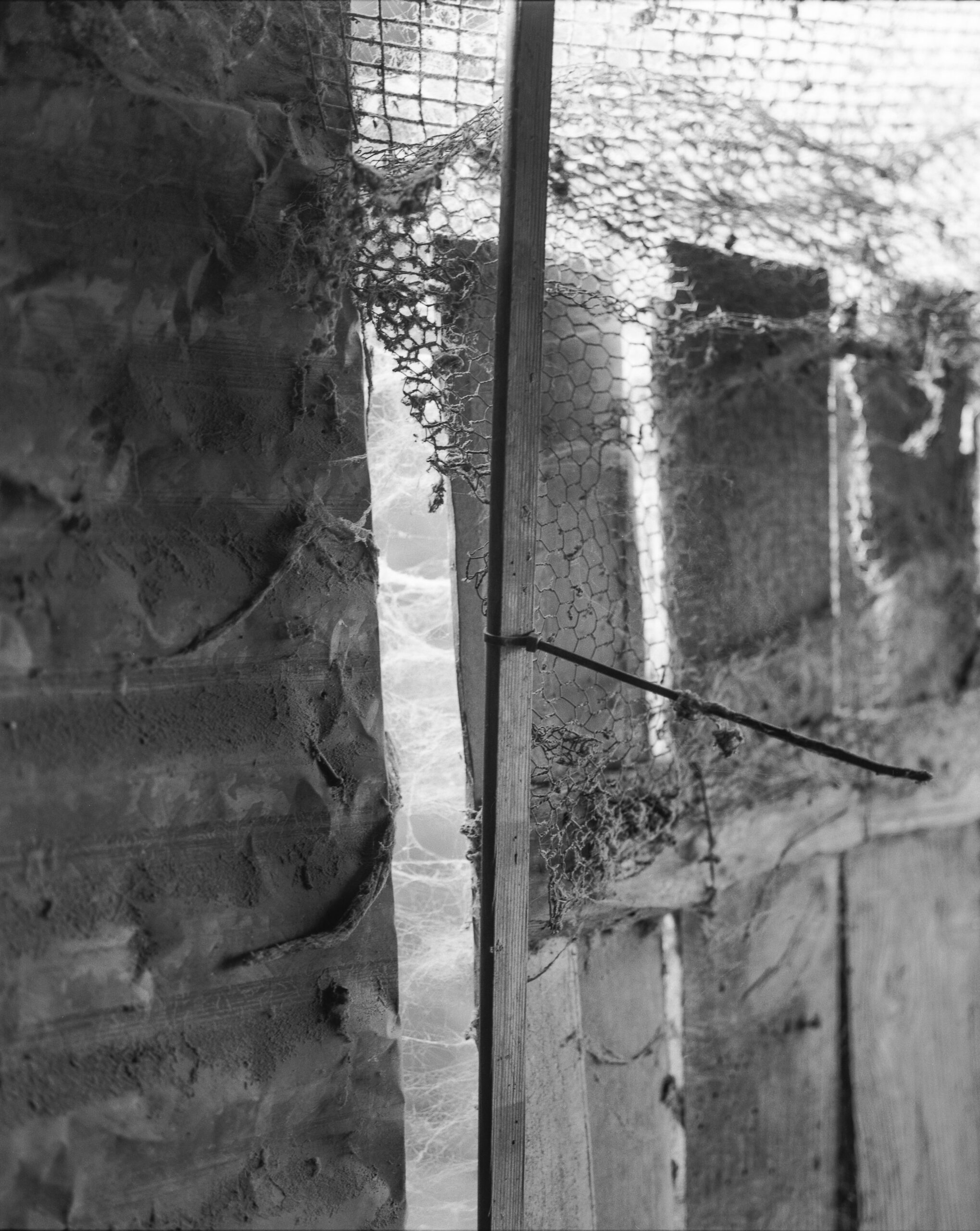
Where the Water Flows is an artistic research work presented as a multimedia installation, concerned with how land shapes cultural identity, memory, and sustainability. It brings together analog photography, archival material, and text, alongside a single-channel video composed entirely of archival fragments.
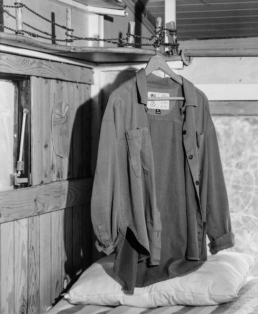
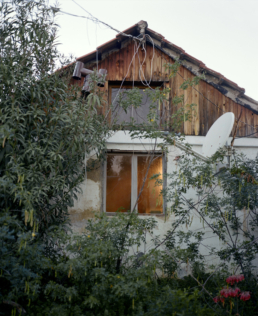
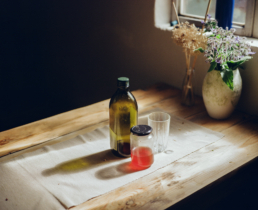
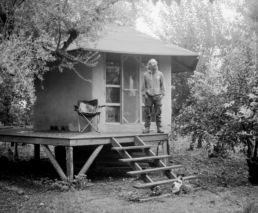
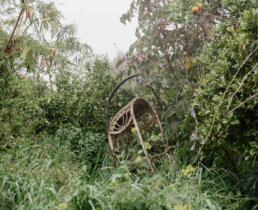
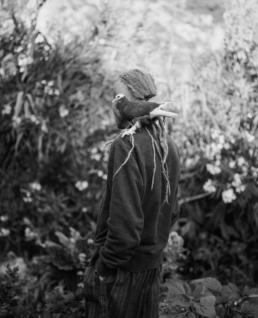
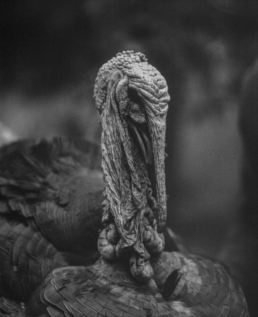
Analog tools hold the work in material and durational contact with the land. The photographs gathered here were made slowly, over repeated time in the field, and that slowness is part of their subject. Film asks for attention and presence, and reflects the repeated gestures of land-based life, walking fields, guiding animals, tending soil, movements that form a choreography shaped by terrain and season.
The project draws on Indigenous Knowledge Systems and relational worldviews in which land is understood not as a resource but as a living, interconnected presence. Within these frameworks, knowledge rests on reciprocity and accountability, to give to the land and to receive what it regenerates without excess extraction. Sustainability is understood as balance rather than accumulation, emerging through attention to natural cycles, interdependence, and the ritualised rhythms of human and land engagement.
Regeneration, here, is understood as both ecological and cultural. It is the restoration of soil and water, and at the same time the revival of traditional knowledge, social fabric, and ways of relating to land. The movement runs in both directions: as the land is tended back toward vitality, so too are the relationships, rituals, and forms of belonging that living closely with it sustains. Land and people restore one another, or decline together. Regenerative agriculture is one expression of this, attentive to soil health, biodiversity, and cyclical process rather than short-term yield, but it is a single instance of a wider principle, one that joins land, culture, and intergenerational knowledge as dimensions of the same regeneration.
The work stays close to lived realities still bound to farming, shepherding, and other forms of land stewardship. These are approached as adaptive, intergenerational systems of knowledge that persist under economic and environmental pressure. Seen this way, sustainability is not only a technical question of efficiency but a moral and philosophical one, concerning human responsibility toward land.
From here the project asks its central question. If sufficiency means holding balance in relationship rather than accumulating without end, are regenerative, land-based ways of living still possible now? What might sustainability mean beyond productivity and growth?
Situated between documentary photography, cultural anthropology, and environmental study, Where the Water Flows joins artistic practice, research, archival inquiry, and the realities of those who live with the land. It repositions land as a living archive, shaped at once by ecological process, cultural memory, ritual, and the present.